Cultivating Young Mind’s at Inskip Learning Garden
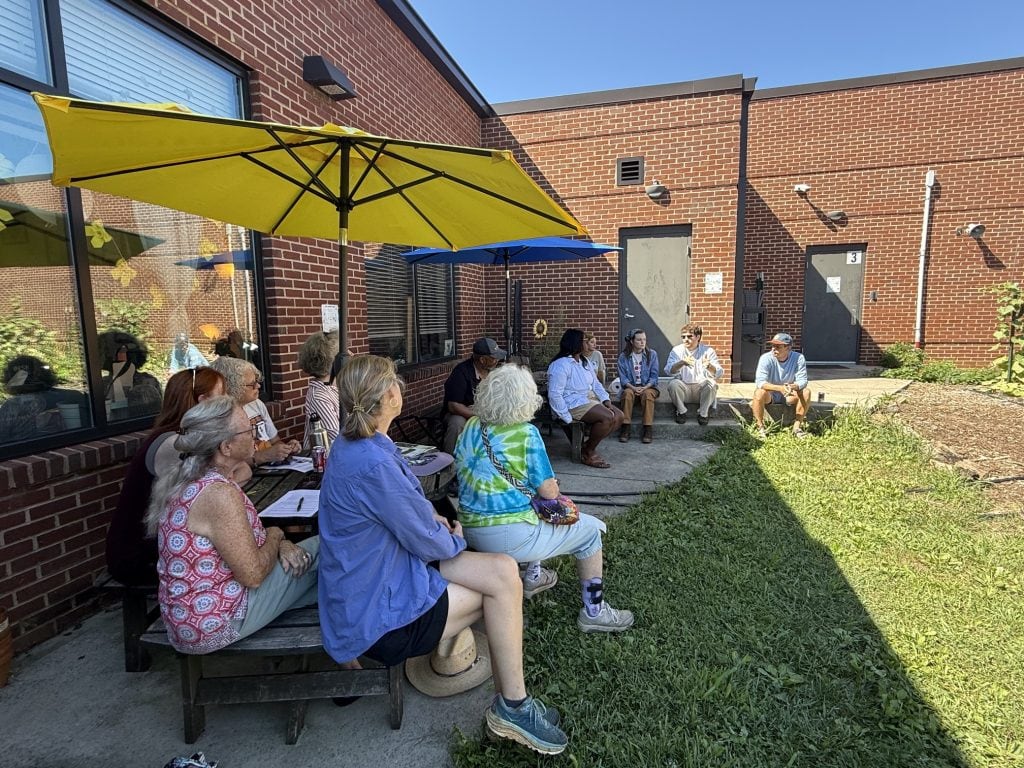
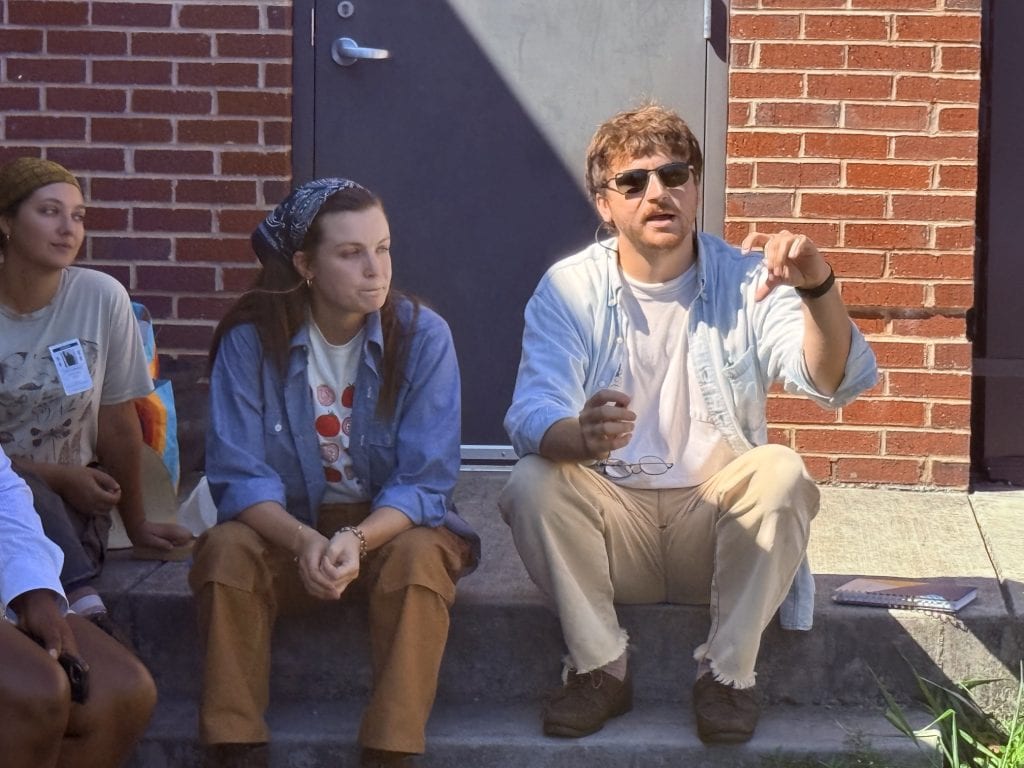
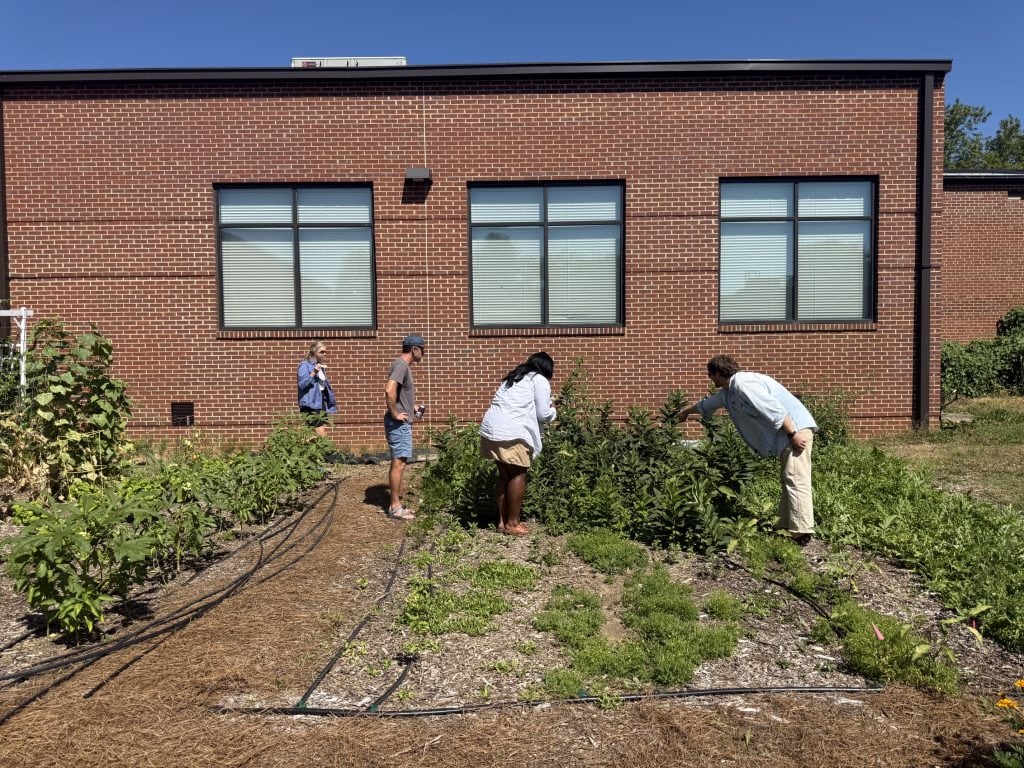
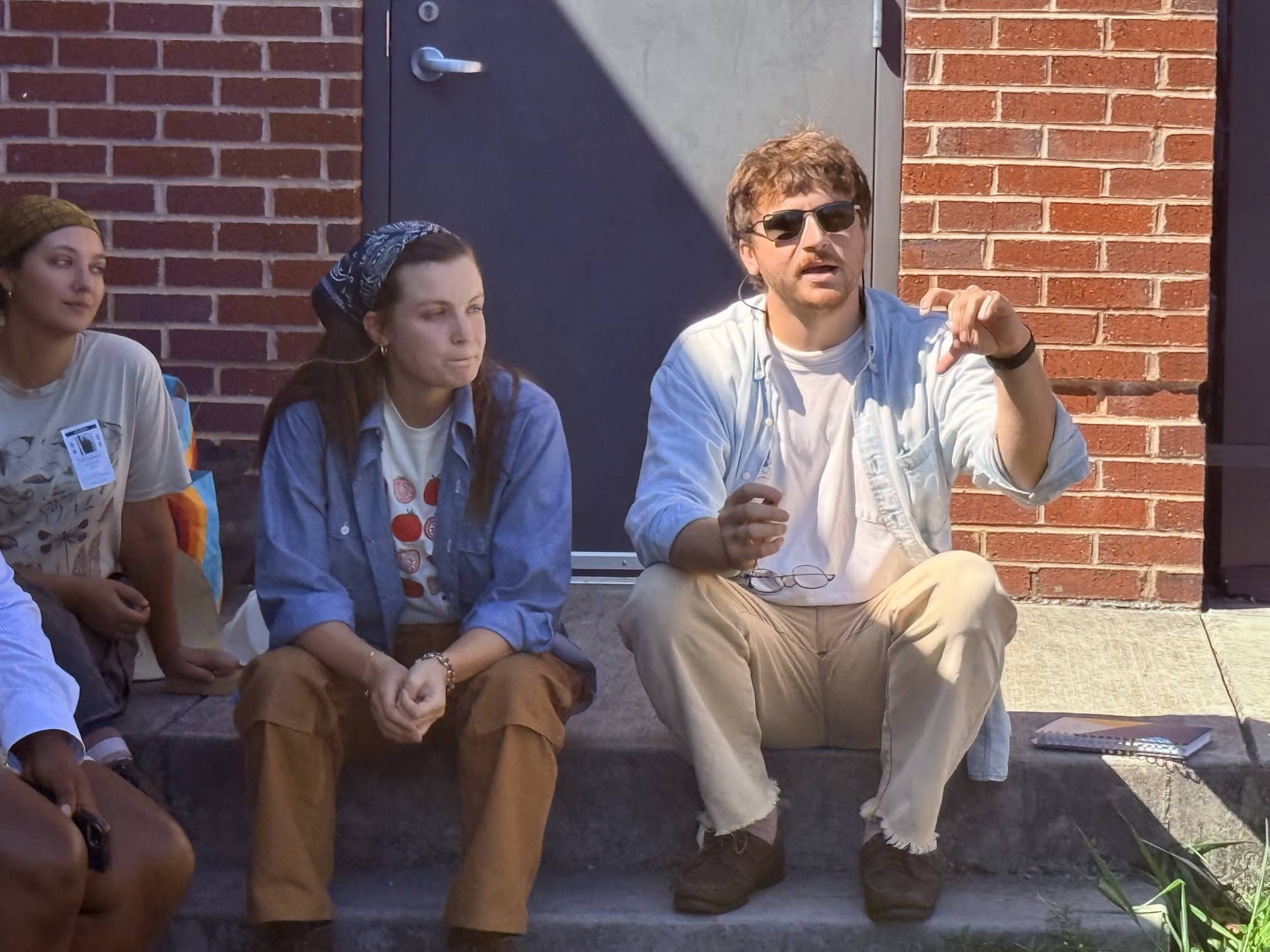
For August’s Knox County Community Gardens and Growers’ Alliance’s membership meeting, members gathered at the Inskip Elementary Learning Garden, led by the Alliance’s Youth Garden Education Program’s (YGEP) Directors, Erica Lisowe and Nick Thompson.
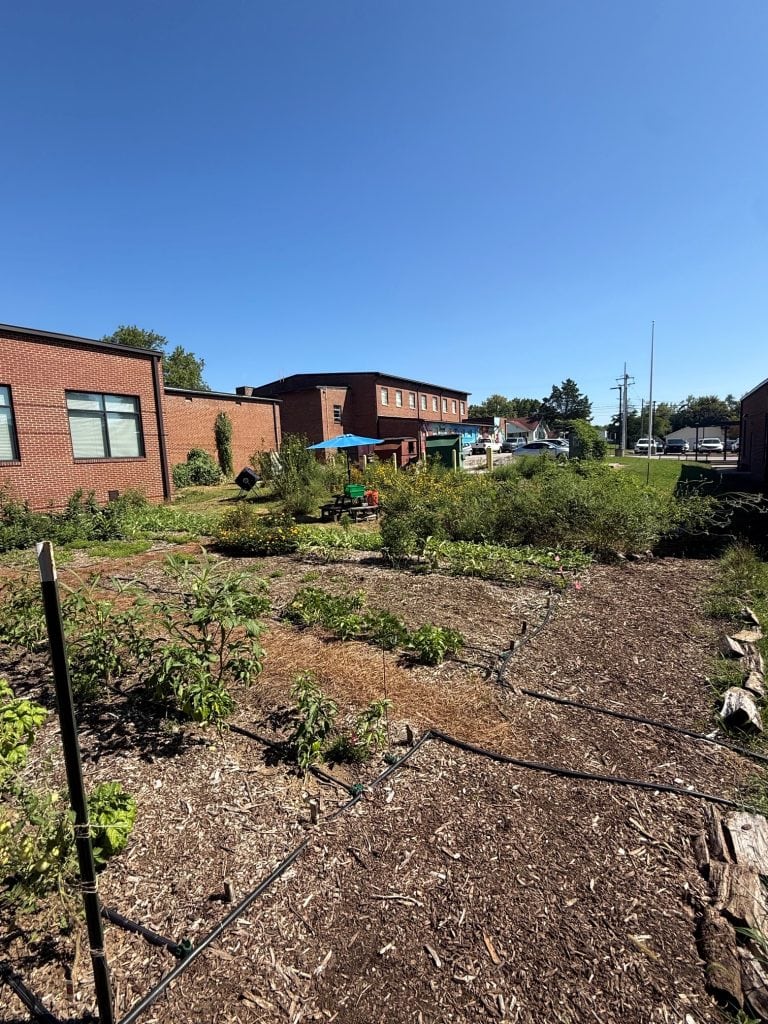
The Inskip Learning Garden is the largest youth garden site the program serves. “It’s probably at least twice as big as any other site that we have,” Erica said.
She explained that YGEP does not solicit schools; schools contact them. Inskip’s call came after the teacher who originally built the garden transferred to another school, leaving a colleague uncertain of what to do with the space. “I think they want to mow it down,” Nick recalled being told. “I don’t know what to do with all this.”
That near-miss with what garden educators sometimes call a “ghost garden” is part of what shaped the site’s story. A longtime member in attendance shared her own history with the space, stating that she donated toward topsoil years earlier after reading about the original installation in a local paper and had wondered for years what became of it. Learning the Alliance had picked the garden back up, she said, was a welcome surprise.
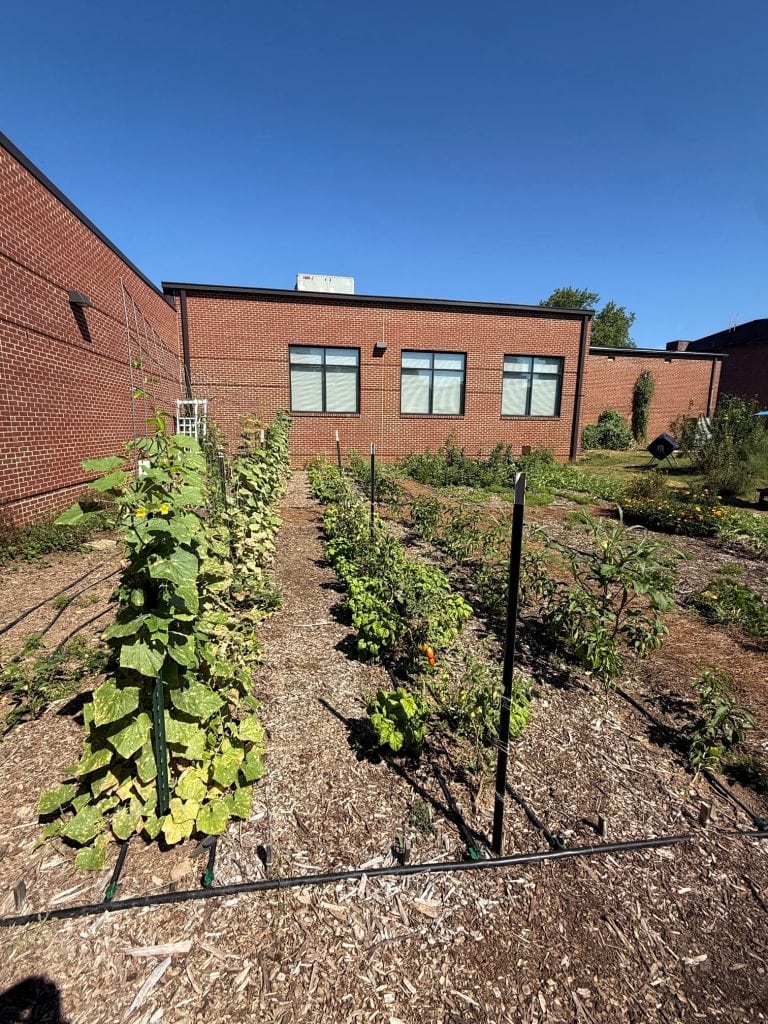
Since taking over in spring 2024, Erica and Nick’s team of Youth Garden Managers Alexis Wilhoite and Evora Kreis have focused on rebuilding the soil as much as the structure. The original rows were “wonky,” Erica said, and hand-watered, with heavy compaction still lingering in parts of the ground.
The fix has leaned on organic gardening fundamentals: broad forking instead of tilling, composting mulch to feed the soil and suppress weeds, and repeated tarping to reclaim overgrown sections.
Much of the credit for Inskip’s day-to-day life goes to site manager Alexis. Erica and Nick shared how she built trust with the after-school garden clubs, YMCA students in kindergarten through second grade, and third through fifth grade, who come out twice a week. Getting kids excited about a garden after a full day of sitting still isn’t automatic, Nick said, describing early resistance from students unsure about the heat and the bugs.
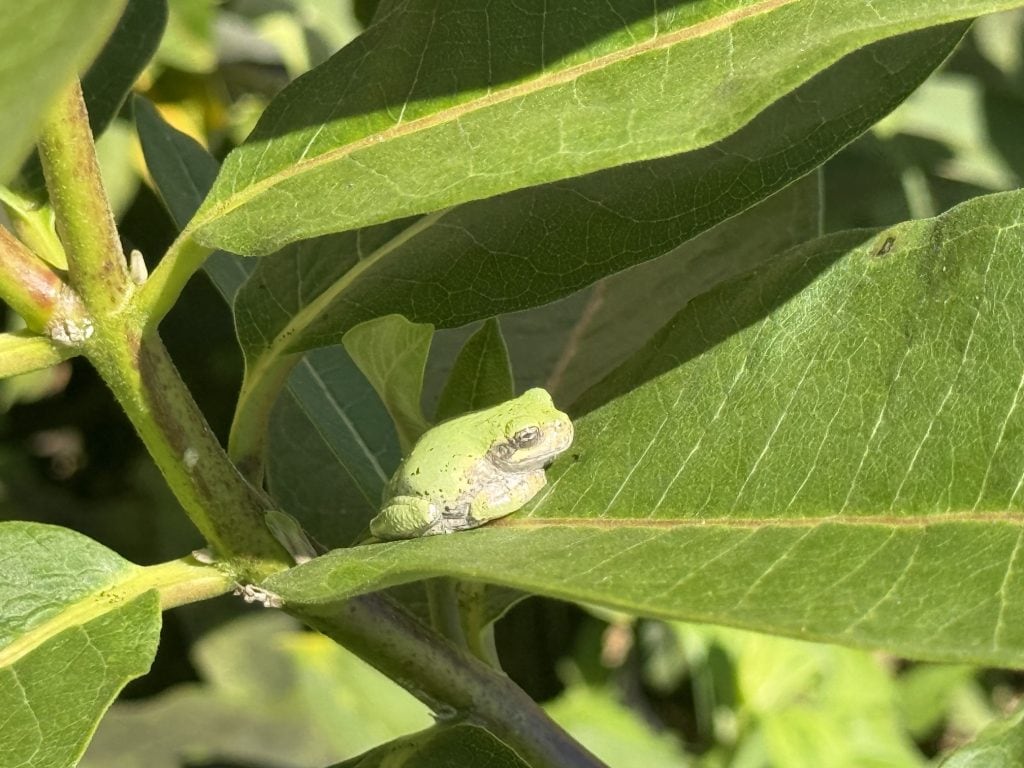
Alexis’s approach was to make the space personal. She named the wasps after students in the group, including one dubbed “Mikey” after a student of the same name. By the end of the school year, Nick said, the shift was obvious, kids who once wanted to head back inside now begged to stay outside and keep weeding.
Erica and Nick also walked members through how programming shifts by age group. Younger students gravitate toward “heavy work” like mulching and moving soil from pile to pile, and tend to focus on a single bed at a time, everyone planting peas together, watering together. Older students take on more independent tasks, working across a full row and making more of their own decisions about placement and pacing. As Erica put it, the difference between age groups is “more in the facilitation… rather than the actual content.”
Beyond after-school programming, Inskip also hosts on-site field trips during the school day, letting teachers bring a specific curriculum standard outside instead of arranging an off-campus trip.
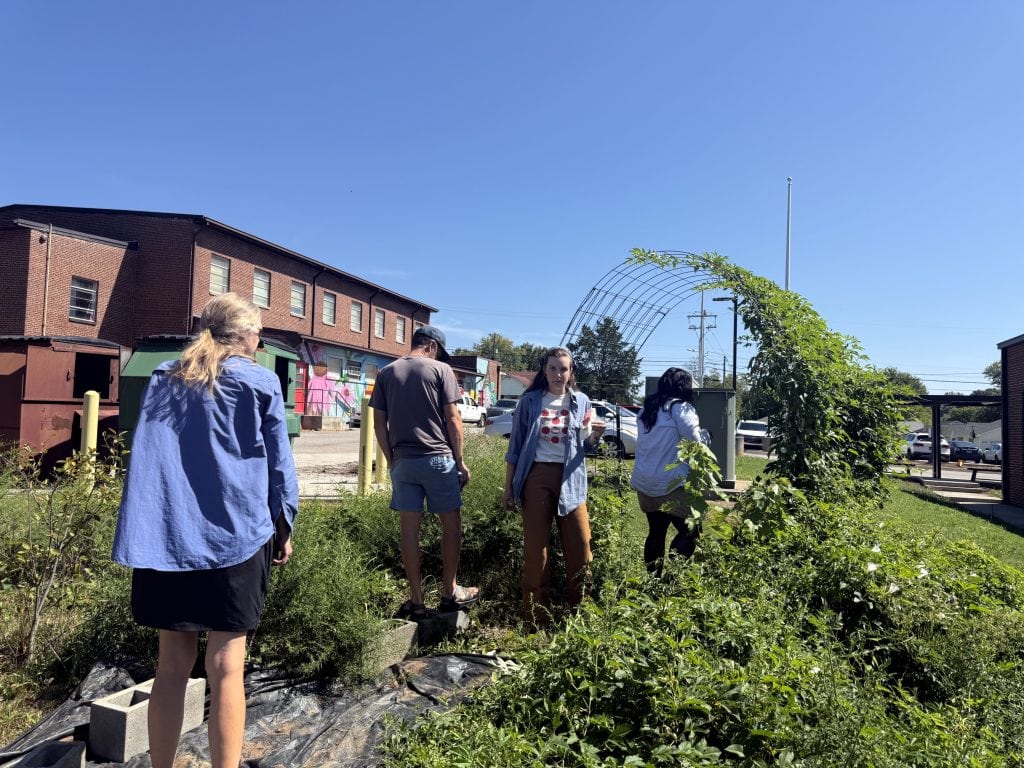
As the tour continued, members got to see first-hand the site’s front spaces which have also been reworked.
Inskip is one of more than 25 youth garden sites the Youth Garden Education Program serves across Knox County. Site by site, the program is turning underused outdoor space into hands-on classrooms, giving local youth a place to grow food, build confidence, and connect with their own community.
YGEP is growing our youth through growing plants!